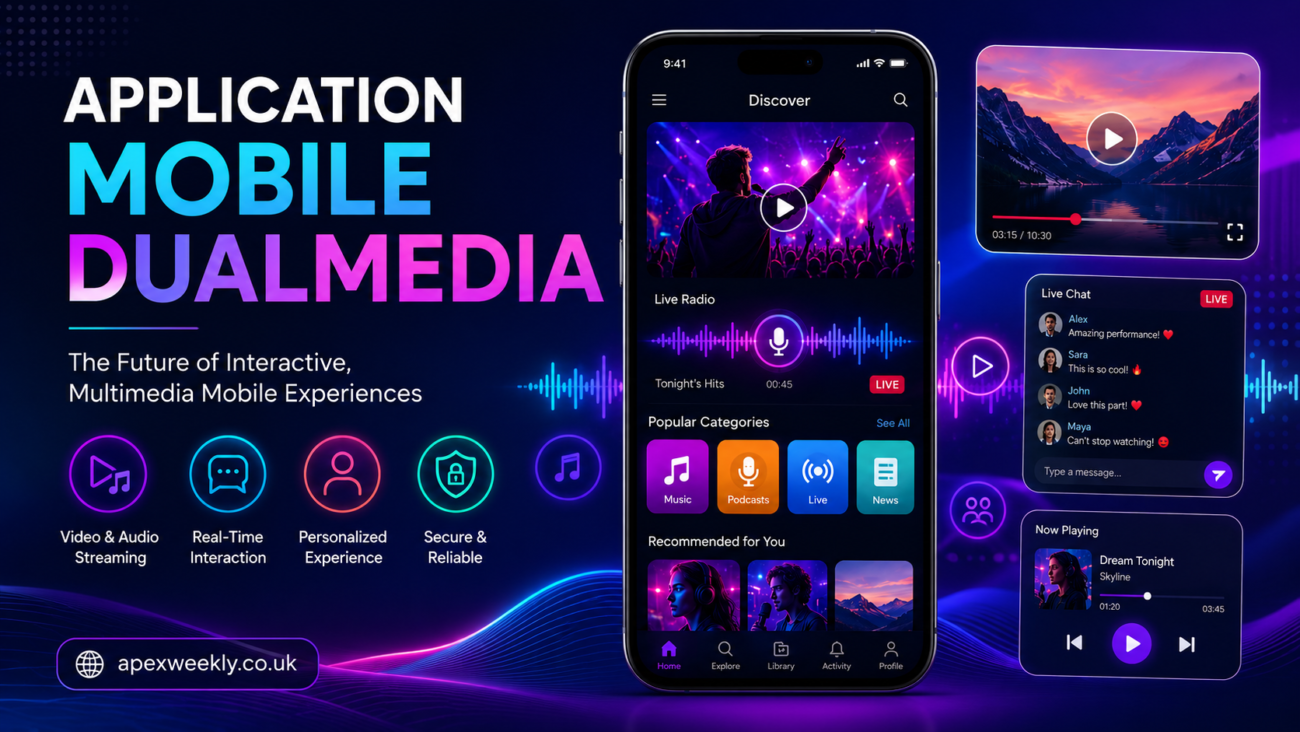
The mobile application industry has changed dramatically over the last few years. Users no longer want simple apps with limited features. They expect fast performance, engaging interfaces, multimedia integration, and personalized experiences. This growing demand has introduced a new concept in the digital world known as application mobile dualmedia.
Today, application mobile dualmedia is becoming an important topic in mobile technology discussions because it combines multiple forms of media into one smooth and interactive experience. Whether users are streaming videos, listening to audio, engaging with social content, or interacting with live features, modern applications are designed to keep users connected and entertained without interruption.
Businesses, developers, and digital marketers are also paying close attention to application mobile dualmedia because it improves user engagement, increases app retention, and creates more opportunities for monetization. As mobile technology continues to evolve, multimedia integration is becoming one of the strongest competitive advantages for app developers worldwide.
This article explores the meaning, importance, benefits, future trends, and challenges of application mobile dualmedia while explaining why it is becoming a major force in the mobile app industry.
What Is Application Mobile Dualmedia?
Application mobile dualmedia refers to mobile applications that combine multiple forms of media and interactive content within a single platform. Instead of offering only one feature or content type, these applications integrate video, audio, messaging, live streaming, animations, social interaction, and real-time communication to improve user experience.
In simple terms, application mobile dualmedia creates a richer digital environment where users can consume and interact with content more effectively. This technology is widely used in entertainment apps, social media platforms, educational applications, gaming apps, e-commerce solutions, and live streaming services.
Modern users prefer apps that provide complete experiences instead of isolated functions. For example, people now expect shopping apps to include video demonstrations, customer reviews, live support, and interactive recommendations all within the same interface. This demand is one of the key reasons why application mobile dualmedia is gaining popularity in the technology market.
Why Multimedia Integration Matters in Mobile Apps
The success of modern mobile applications depends heavily on user engagement. Apps that fail to capture attention quickly often lose users within days after installation. Multimedia integration solves this problem by making applications more dynamic and interactive.
Application mobile dualmedia improves visual appeal while also increasing the amount of time users spend inside an app. Interactive videos, personalized audio content, animations, and real-time communication features create a more immersive experience for audiences.
Another important factor is user convenience. Instead of switching between multiple apps for different purposes, users can access several media functions in one place. This improves customer satisfaction and simplifies the digital experience.
Businesses also benefit because multimedia applications often achieve better conversion rates, stronger customer retention, and improved brand loyalty. Companies that invest in multimedia-focused applications usually gain a competitive advantage in crowded digital markets.
Key Features of Application Mobile Dualmedia
One of the reasons application mobile dualmedia is becoming increasingly important is the wide range of features it can support. These applications are designed to provide flexibility, entertainment, and smooth communication across multiple platforms.
Interactive Multimedia Content
Interactive media allows users to actively engage with content rather than simply watching or reading. Features such as polls, clickable videos, live chats, and interactive stories improve user participation and increase engagement rates.
Real-Time Communication
Modern users value instant interaction. Many multimedia applications now include live streaming, messaging systems, voice communication, and video conferencing features to keep users connected in real time.
Cross-Platform Compatibility
Today’s mobile users switch between smartphones, tablets, and desktop devices regularly. Application mobile dualmedia often supports synchronized experiences across multiple platforms to improve accessibility and convenience.
Personalized User Experience
Artificial intelligence and data analysis allow multimedia applications to deliver personalized recommendations based on user behavior. This creates a more customized and enjoyable experience for each individual user.
High-Quality Media Support
Advanced applications now support HD video streaming, immersive audio, animation effects, and responsive graphics to improve overall performance and entertainment value.
Benefits of Application Mobile Dualmedia
The rapid growth of application mobile dualmedia is closely connected to the many advantages it provides for both businesses and users.
Better User Engagement
Interactive multimedia keeps users interested for longer periods. Applications with video, audio, and real-time features often experience higher engagement compared to traditional apps.
Improved User Retention
When users enjoy their experience, they are more likely to return regularly. Multimedia integration helps create emotional connections with users, increasing retention rates over time.
Stronger Brand Identity
Businesses can use multimedia content to present their brand more creatively. Videos, animations, and interactive elements make brands appear modern and professional.
Higher Revenue Opportunities
Applications with multimedia features often generate more revenue through advertising, subscriptions, premium content, and live commerce features.
Enhanced Learning Experiences
Educational platforms benefit greatly from multimedia integration. Students can learn through videos, animations, quizzes, and live discussions, improving knowledge retention and engagement.
Industries Using Application Mobile Dualmedia
Several industries are actively using application mobile dualmedia to improve customer experience and increase digital interaction.
Entertainment Industry
Streaming platforms rely heavily on multimedia integration to deliver movies, music, podcasts, and live events within one application environment.
E-Commerce Platforms
Online shopping apps now include product videos, virtual try-on features, live selling events, and customer interaction tools to improve purchasing decisions.
Education Sector
Learning applications use multimedia content to make education more interactive and engaging for students of all ages.
Healthcare Industry
Healthcare apps integrate video consultations, patient communication tools, health tracking, and educational content to improve patient care.
Social Media Platforms
Social media applications depend on multimedia interaction, including stories, live streams, short videos, and audio sharing features.
Challenges Facing Multimedia Mobile Applications
Although application mobile dualmedia offers many advantages, developers still face several technical and operational challenges.
One major issue is performance optimization. Multimedia applications require large amounts of storage, bandwidth, and processing power. Developers must ensure apps remain fast and responsive despite heavy media content.
Another challenge is security and privacy. Applications handling multimedia communication and user-generated content must protect personal data and prevent cyber threats.
Compatibility across devices can also become difficult. Different operating systems, screen sizes, and internet speeds may affect app performance and user experience.
Content moderation is another growing concern. Platforms that allow live communication and media sharing must monitor inappropriate content while maintaining a positive user environment.
Future Trends in Application Mobile Dualmedia
The future of application mobile dualmedia looks extremely promising as new technologies continue to shape digital experiences.
Artificial intelligence is expected to play a major role in personalization and content recommendation systems. Apps will become smarter and more capable of understanding individual user preferences.
Augmented reality and virtual reality integration will also expand multimedia interaction. Users may soon experience fully immersive shopping, education, and entertainment environments directly through mobile devices.
5G technology is another important development because it improves internet speed and reduces latency. Faster connections allow multimedia applications to support higher-quality streaming and real-time interaction without delays.
Voice-controlled interfaces are also becoming more common. Users increasingly prefer hands-free experiences that allow them to interact with apps through voice commands and smart assistants.
As technology evolves, application mobile dualmedia will continue influencing how people communicate, learn, shop, and entertain themselves online.
How Businesses Can Benefit from Multimedia Mobile Technology
Businesses that invest in multimedia-focused applications often achieve stronger digital growth compared to competitors using outdated systems.
Modern customers expect personalized and interactive experiences. Companies that provide engaging multimedia content can improve customer trust and strengthen long-term relationships.
Marketing campaigns also become more effective through multimedia integration. Video content, live interaction, and immersive storytelling attract higher attention rates than traditional advertising methods.
Additionally, businesses can collect valuable customer insights through user interactions, helping them improve products, services, and future marketing strategies.
Application mobile dualmedia is not only changing user behavior but also reshaping digital business strategies across industries worldwide.
Conclusion
The digital world is rapidly moving toward more interactive and multimedia-driven experiences. Application mobile dualmedia represents a major step forward in mobile technology because it combines communication, entertainment, personalization, and real-time interaction within one platform.
As user expectations continue growing, businesses and developers must focus on creating applications that are visually engaging, fast, and interactive. Multimedia integration is no longer considered an optional feature. It has become an essential part of modern mobile app development.
From entertainment and education to healthcare and e-commerce, application mobile dualmedia is transforming how people connect with digital content every day. With the rise of artificial intelligence, 5G networks, and immersive technologies, the future of multimedia mobile applications will become even more advanced and influential in the coming years.
FAQs
What is application mobile dualmedia?
Application mobile dualmedia refers to mobile applications that combine multiple media formats like video, audio, messaging, and interactive content within one platform.
Why is application mobile dualmedia important?
It improves user engagement, increases retention, and creates more interactive digital experiences for users across different industries.
Which industries use multimedia mobile applications?
Entertainment, education, healthcare, e-commerce, and social media industries widely use multimedia mobile technology.
How does multimedia improve mobile apps?
Multimedia features make apps more interactive, visually attractive, and user-friendly, leading to better customer satisfaction.
What is the future of application mobile dualmedia?
The future includes AI personalization, augmented reality, virtual reality, faster streaming through 5G, and smarter user experiences.
