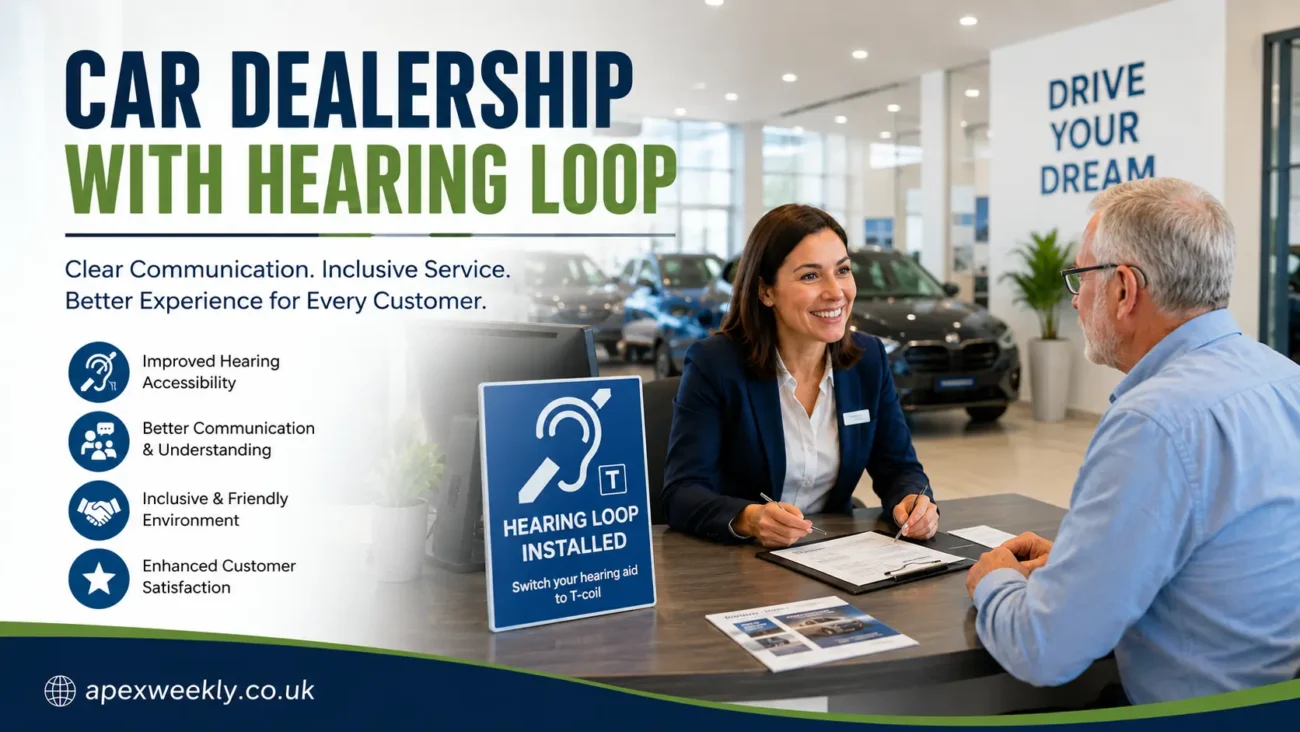
Buying a car should feel comfortable, exciting, and stress-free for every customer. Yet for people with hearing loss, visiting a busy showroom can sometimes become frustrating instead of enjoyable. Loud background noise, unclear conversations, crowded waiting areas, and poor communication can make simple discussions difficult. That is why the idea of a car dealership with hearing loop technology is becoming increasingly important in the automotive industry.
Modern dealerships are beginning to understand that accessibility is not only about wheelchair ramps and parking spaces. Clear communication matters just as much. Customers want to feel heard, respected, and included during every stage of the buying process. A hearing loop system helps create that experience by improving sound clarity for people who use hearing aids or cochlear implants.
As more businesses focus on customer-centered service, dealerships that invest in accessibility are standing out from competitors. A welcoming environment builds trust, strengthens reputation, and improves customer satisfaction. Today, many buyers actively search for businesses that support accessibility and inclusive communication.
What Is a Hearing Loop System?
A hearing loop is an assistive listening system designed to help people with hearing aids hear conversations more clearly. The system works by transmitting sound directly into compatible hearing devices through telecoil technology. Instead of struggling with background noise, the listener receives a cleaner and clearer sound signal.
In a busy automotive showroom, conversations can easily become difficult to follow. Phones ring constantly, customers move throughout the building, sales teams communicate across the floor, and service departments create additional noise. For someone with hearing loss, these distractions can make communication exhausting.
A car dealership with hearing loop technology removes many of these barriers. Customers can hear discussions about financing, vehicle features, warranties, and service plans with much greater clarity. This creates a smoother and more comfortable buying experience.
Hearing loops are commonly installed at:
- Reception desks
- Customer service counters
- Finance offices
- Vehicle consultation areas
- Service waiting rooms
These locations are essential because they involve important conversations where accuracy and understanding matter.
Why Accessibility Matters in Car Dealerships
The automotive industry serves people from every age group and background. Many older adults rely on hearing aids, and hearing loss affects millions of people worldwide. Despite this, communication accessibility is still overlooked in many retail spaces.
A car dealership with hearing loop support demonstrates genuine care for customer needs. Accessibility is not simply a legal responsibility in many regions; it is also a smart business decision. Customers remember businesses that make them feel comfortable and respected.
When communication improves, customers become more confident in their decisions. They can ask questions without embarrassment and understand important details more clearly. This reduces confusion and creates a better relationship between the dealership and the buyer.
Accessibility also supports family members who may attend appointments together. Clear communication benefits everyone involved in the purchasing process.
How Hearing Loops Improve the Car Buying Experience
The process of buying a vehicle often includes detailed discussions about pricing, financing, warranties, insurance, and maintenance packages. Missing even a small detail can create misunderstandings later.
A car dealership with hearing loop systems helps customers stay fully engaged during conversations. Instead of repeatedly asking sales staff to repeat information, buyers can hear naturally and comfortably.
This improvement creates several benefits:
Better Communication
Customers can understand speech more clearly without interference from surrounding noise. This helps conversations feel more relaxed and productive.
Increased Confidence
People are more likely to make informed purchasing decisions when they clearly understand every part of the process.
Reduced Stress
Busy environments can become overwhelming for individuals with hearing challenges. Hearing loop systems reduce listening fatigue and improve comfort.
Stronger Customer Relationships
Customers appreciate businesses that invest in inclusive services. Positive experiences often lead to repeat visits and recommendations.
The Growing Demand for Inclusive Automotive Spaces
Accessibility expectations are changing rapidly. Consumers increasingly support businesses that prioritize inclusion and equal access. Dealerships that fail to adapt may struggle to meet modern customer expectations.
A car dealership with hearing loop technology sends a powerful message about customer care. It shows that the dealership values communication, accessibility, and dignity for every visitor.
Many businesses are also recognizing the long-term financial benefits of inclusive design. Accessibility improvements can attract new customers while strengthening loyalty among existing ones.
In today’s competitive automotive market, customer experience often matters just as much as pricing. Buyers remember how they were treated during the purchasing process. A dealership that provides clear communication can create a lasting positive impression.
Why Hearing Loops Are Helpful for Older Customers
Older adults make up a large percentage of vehicle buyers, and hearing loss becomes more common with age. Many older customers already use hearing aids with telecoil features, making hearing loop systems immediately useful.
A car dealership with hearing loop support creates a more welcoming environment for senior customers who may otherwise struggle in noisy spaces. This allows them to participate confidently in discussions about vehicle safety features, financing plans, and service agreements.
Older customers often value patience, clarity, and personal attention. Accessibility improvements help dealerships provide all three.
Creating a More Inclusive Customer Service Environment
Accessibility goes beyond technology alone. Staff training and customer awareness are equally important. Even the best hearing loop system becomes less effective if employees do not understand how to assist customers properly.
Dealership teams should understand:
- How hearing loops work
- Where systems are installed
- How to communicate clearly
- How to reduce unnecessary background noise
- How to provide respectful assistance
A car dealership with hearing loop accessibility should also display visible signs informing customers that the system is available. Many hearing aid users specifically look for hearing loop symbols when entering public spaces.
Simple communication habits can also improve customer experiences:
- Speaking clearly without shouting
- Facing the customer directly
- Avoiding talking while looking away
- Providing written information when necessary
These small actions create a more comfortable and professional environment.
The Competitive Advantage of Accessibility
Businesses that invest in accessibility often gain advantages that competitors overlook. Word-of-mouth recommendations can become extremely valuable, especially within communities that prioritize inclusive services.
A car dealership with hearing loop systems may attract customers specifically searching for hearing-friendly businesses. Accessibility can also improve online reputation through positive reviews and customer recommendations.
Modern consumers appreciate companies that demonstrate social responsibility. Inclusive business practices help strengthen brand image and build public trust.
In many cases, accessibility improvements also benefit customers without hearing loss. Clearer communication and quieter consultation areas create a better experience for everyone.
Hearing Loop Technology and Modern Automotive Retail
Technology continues to transform automotive retail environments. Dealerships now invest heavily in digital displays, interactive customer tools, and online purchasing experiences. Accessibility should evolve alongside these innovations.
A car dealership with hearing loop support combines modern customer service with practical accessibility solutions. It reflects a forward-thinking approach that values every customer equally.
As awareness grows, hearing loop systems may eventually become a standard feature in customer-facing automotive spaces. Early adopters have an opportunity to position themselves as leaders in inclusive retail experiences.
This trend is especially important because customers increasingly research businesses before visiting. Dealerships that openly promote accessibility features may gain a stronger online presence and improved search visibility.
Why Customers Appreciate Accessible Dealerships
People remember experiences that make them feel respected and included. Accessibility features often create emotional trust between businesses and customers.
A car dealership with hearing loop technology helps remove communication barriers that many people face daily. This simple improvement can transform an ordinary showroom visit into a positive and empowering experience.
Customers who feel comfortable are more likely to:
- Spend more time at the dealership
- Ask important questions
- Return for future services
- Recommend the dealership to others
- Leave positive reviews online
In a competitive industry, customer loyalty is incredibly valuable.
The Future of Accessible Car Dealerships
Accessibility is becoming a major part of modern business development. More companies are recognizing that inclusive spaces benefit both customers and long-term business growth.
A car dealership with hearing loop systems represents a step toward better customer communication and equal access. As awareness of hearing accessibility continues to increase, dealerships that invest in these improvements will likely gain stronger customer trust and broader community support.
The future of automotive retail will not only focus on advanced vehicles and digital innovation. It will also focus on creating environments where every customer feels welcome, understood, and valued.
Conclusion
A positive dealership experience depends heavily on communication. For people with hearing loss, noisy environments and unclear conversations can turn an exciting purchase into a stressful situation. That is why the rise of the car dealership with hearing loop technology is so important in today’s automotive industry.
Hearing loop systems improve communication, reduce frustration, and create a more inclusive environment for customers who rely on hearing aids or cochlear implants. Beyond accessibility, these systems also strengthen customer trust and improve overall satisfaction.
As dealerships continue to compete for customer loyalty, accessibility will play an increasingly important role in shaping modern automotive experiences. Businesses that prioritize inclusion today are likely to become the trusted dealerships of tomorrow.
FAQs
What is a hearing loop in a car dealership?
A hearing loop is an assistive listening system that helps hearing aid users hear conversations more clearly inside the dealership.
Why is a car dealership with hearing loop important?
It improves communication for customers with hearing loss and creates a more inclusive customer experience.
Do hearing loops work with all hearing aids?
Hearing loops work with hearing aids and cochlear implants that include telecoil technology.
Where are hearing loops installed in dealerships?
They are commonly placed at reception desks, finance offices, customer service areas, and waiting rooms.
Can hearing loops improve customer satisfaction?
Yes, clearer communication helps customers feel more comfortable, confident, and respected during the buying process.
